Balance & Brushstrokes
Releasing the Pressure Valve: Mindful Tools for Self‑Generated Stress
Self‑generated stress builds slowly, often unnoticed, until the body feels tight and the mind feels crowded. This article explores how mindfulness, breath, movement, and creative expression can help you shift from overwhelm to clarity.
We often think of stress as something imposed on us — deadlines, family obligations, expectations. But there is another kind of pressure, the quiet internal kind that whispers, “You should be doing more,” even when no one is asking. This internal drive can be powerful, even motivating, but when it runs unchecked, it becomes a silent stressor that wears down the body and pulls you away from yourself.
I see this often: people striving for perfection, chasing goals with admirable intensity, yet feeling depleted, anxious, or disconnected from their bodies. The good news is that self‑imposed pressure is something we can work with. We can learn to recognize it, soften it, and release it without abandoning our ambitions.
The Inner Scale Valve
One of the tools I often share is the idea of an internal scale valve, like a dimmer switch for pressure. One end holds calm presence; the other, tight urgency. Neither is “bad.” What matters is noticing where you are at any given moment.
Are you pushing or flowing?
Is the urgency coming from within, or from outside?
What would it feel like to turn the valve down just one notch?
This simple visualization becomes a powerful daily check‑in. It invites you to pause, recalibrate, and choose how much pressure you truly need in that moment.
Mindfulness, Breath, and Body Awareness
When the mind races ahead, the body tenses. Mindfulness practices help bring you back to the present moment, where pressure often softens on its own.
A few rounds of box breathing — inhale for four, hold for four, exhale for four, hold for four — can reset your nervous system. A slow, non‑judgmental body scan helps you notice where tension lives and where ease might be invited in.
Even naming what you are feeling — tight chest, racing thoughts, pressure to perform — creates space. And in that space, choice returns. That is where you begin to shift from reacting to responding.
Why It Works: The Science of Stress Reduction
This is not just poetic — it is physiological. Research consistently shows that mindfulness, movement, and creative expression reduce stress and support emotional resilience.
Mindfulness‑based stress reduction (MBSR), developed by Jon Kabat‑Zinn, has been shown to decrease anxiety, improve focus, and strengthen emotional regulation. The American Psychological Association notes that mindfulness meditation changes both brain structure and biology, improving mental and physical health.
Movement is equally powerful. Exercise boosts endorphins, improves mood, and helps regulate the body’s stress response. Even moderate movement — walking, stretching, gentle mobility — can reduce anxiety, improve sleep, and protect against chronic disease.
And art? According to the Mayo Clinic and the American Art Therapy Association, creative expression can lower cortisol, reduce blood pressure, and support emotional well‑being — even in short sessions. Art therapy has been used with patients navigating cancer, trauma, and chronic illness, not for the quality of the art produced, but for the healing that happens in the process.
Art Prompt: “Pressure to Presence”
Here is a simple creative release you can try anytime, with whatever materials you have on hand.
Start by drawing a spiral, beginning at the center of the page, and slowly expanding outward. Let your breath guide your hand. With each loop, imagine releasing a little more pressure.
When the spiral feels complete, pause. In the center, write a word or phrase that captures how you want to feel — ease, presence, enough. Add color or texture if you feel called. There is no right way to do this. It is not about making art; it is about making space.
This kind of visual exhale can be surprisingly powerful. It gives form to what has been held inside and reminds you that you can shift your state, gently and intentionally.
When Everything Feels Like “Too Much”: Shrinking the Moment
Self‑generated pressure often comes from holding too much at once — too many expectations, too many “shoulds,” too many imagined versions of how things ought to look. When everything feels urgent, the nervous system goes into overdrive.
Shrinking the moment helps.
Instead of holding the entire plan, ask yourself:
What is the smallest next step I can take — the one my body says yes to?
Not the perfect step.
Not the impressive step.
Just the next honest one.
This is how you reduce overwhelm.
This is how you stay in motion without abandoning yourself.
A Final Thought
You are allowed to want things and rest at the same time. You do not have to earn your exhale. Your body is a compass; listen to it.
Let your goals be fueled by curiosity, not pressure.
Let your practices be invitations, not obligations.
And when the pressure builds, remember: you have the tools to turn the valve down.
5 Steps to Bring More Balance into Your Life
Balance isn’t about perfection or control. It’s the ability to return to yourself, even when life pulls you in different directions. These five practices help you find your center again with honesty, gentleness, and breath.
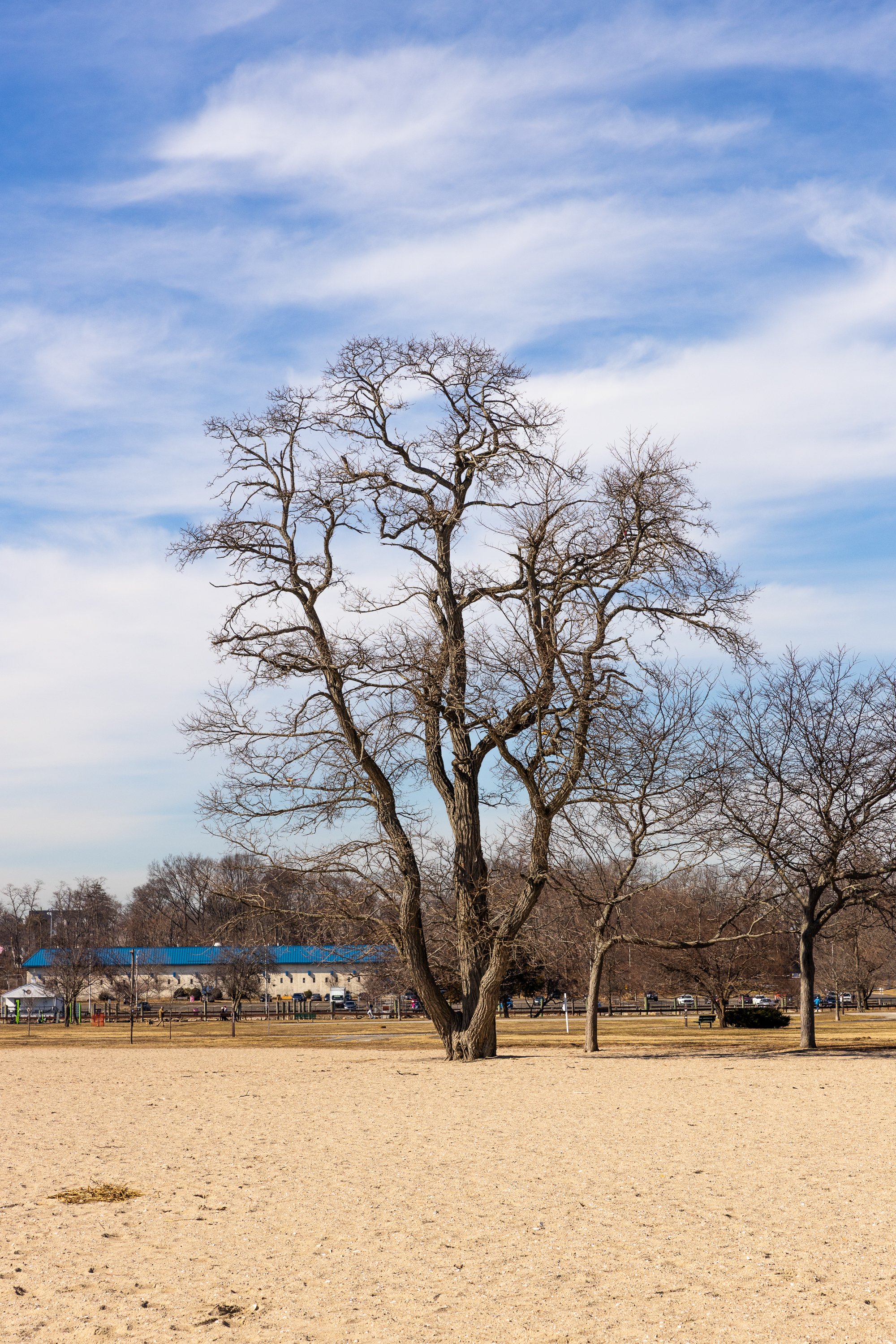
According to the dictionary, one of the definitions of balance is mental and emotional steadiness. But what does it mean to be steady mentally and emotionally? In my opinion it means to be able to always return to center even after being pulled in a lot of different directions. But how do we do that in real life? Here are five ways to return to your center, to bring more balance into your life even when you feel lost or out of control.
1. Begin With a Moment of Orientation
Take a moment and just return to yourself.
For some people, that looks like sitting and breathing.
For others, it is feeling their feet on the floor, placing a hand on the chest, or letting their eyes land on something steady in the room. Some people may just need to be.
There is no right or wrong here, what matters is the adjustment this moment brings. I am here. I am in this body. I am allowed to pause.
This is orientation — a small act of self‑contact before the world pulls you outward again.
2. Follow Your Real Energy, Not the Energy You Wish You Had
Your body has a rhythm. That rhythm shows up in many different ways. Sometimes it is linear, other times not at all. Sometimes your rhythm is convenient, other times it is not. Nothing is incorrect here.
Track when your body and your energy feel sharp, foggy, or done. We do not need to “fix” these rhythms, all we have to do is to notice and partner with them.
Balance is not about pushing harder, it is about refusing to override yourself and allowing your body not to be pushed past its limits.
3. Set Boundaries That Protect Your Nervous System, Not Your Image
Boundaries are about protecting your limits; they are not meant to help you look good. When you set those boundaries with the wrong mindset, they will likely fail.
How do we work with boundaries then? We think of what we need right now, what is too much and what we can honestly hold. The key here is to be honest with ourselves, so we do not collapse. Some examples are:
“I cannot hold this right now.”
“I need more space.”
“I am not available for urgency.”
Balance requires room to breathe; you need to make sure that room is free of obstruction. You cannot regulate in a life that never pauses.
4. Nourish Yourself Without Turning It into a Project
Ask your body: What would feel stabilizing right now? Remember this is a conversation you will have with yourself. Be honest. You don’t need performance, rules or perfection. You just need to look within and find out what is missing at that moment. Is it warmth? Protein? Water? Rest? Movement? Silence? Something else?
Think of it as a self-care conversation, not a checklist.
5. Make Joy Non‑Negotiable
Joy is part of life; it is not frivolous. It is regulation, medicine, it is health.
Think about the small, almost forgotten pleasures that bring you back into yourself, the ones that require no productivity, no audience, no justification.
Make time for them regularly. Schedule, protect them, let them interrupt your day if that is what you need to do. Create moments of joy as an anchor, not a reward.
Now that we spoke about those five steps, think about which of these feels most relevant to your life today. Your answer is your next step.
Art Prompt: My Life in Balance
Create a visual that reflects what balance feels like in your body now — not the idealized version, the real one.
Is it a horizon line
A fracture healing
A spiral
A root system
A tide coming in
Let your hands move without performing.
This is not about beauty.
It is about truth.