Balance & Brushstrokes
Mindful Eating and Gentle Nutrition: A Reflective Approach
A gentle guide to reconnecting with hunger, fullness, and nourishment through mindful eating, balanced nutrition, and simple tools that support your body without rules or restriction.
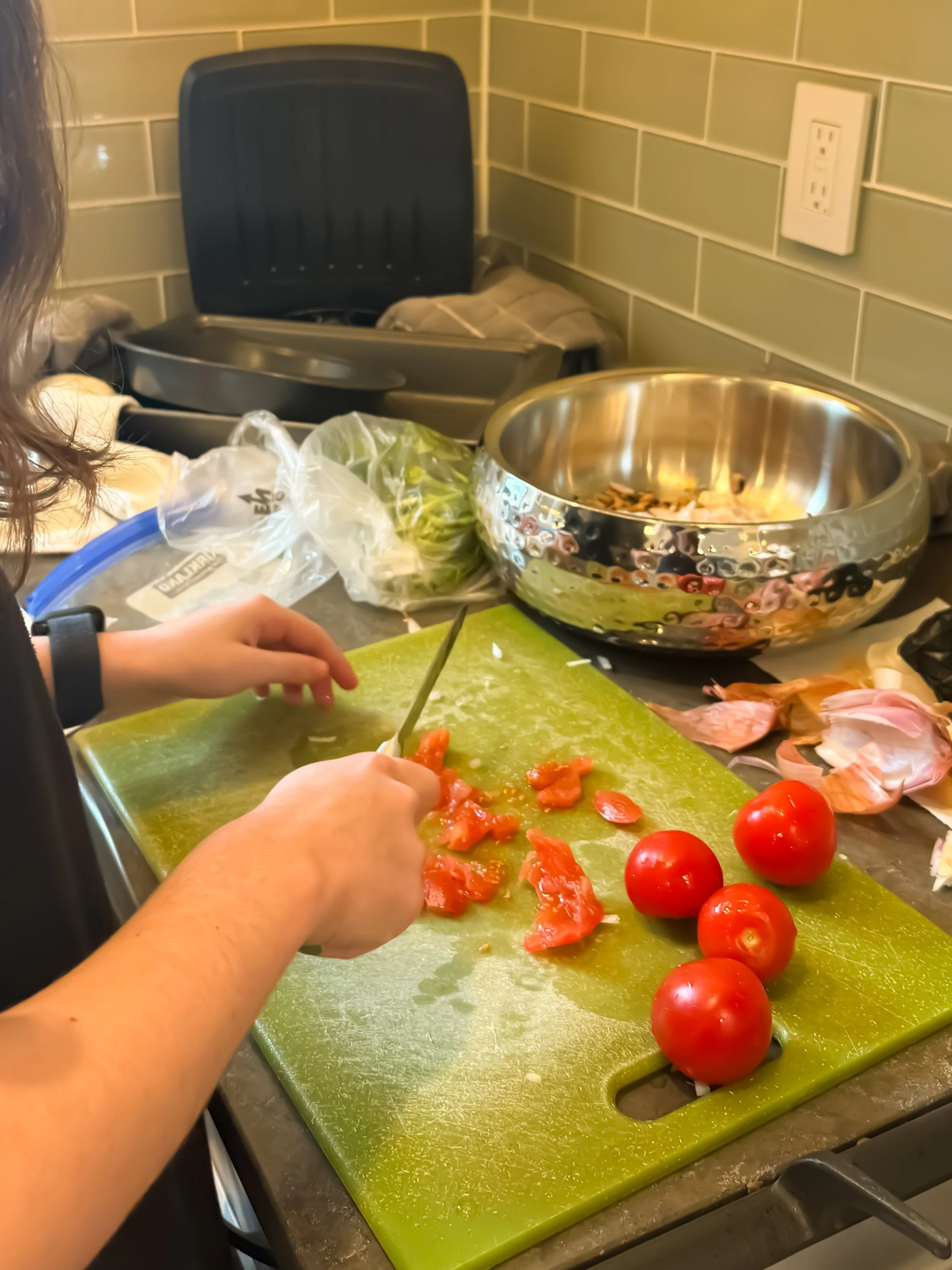
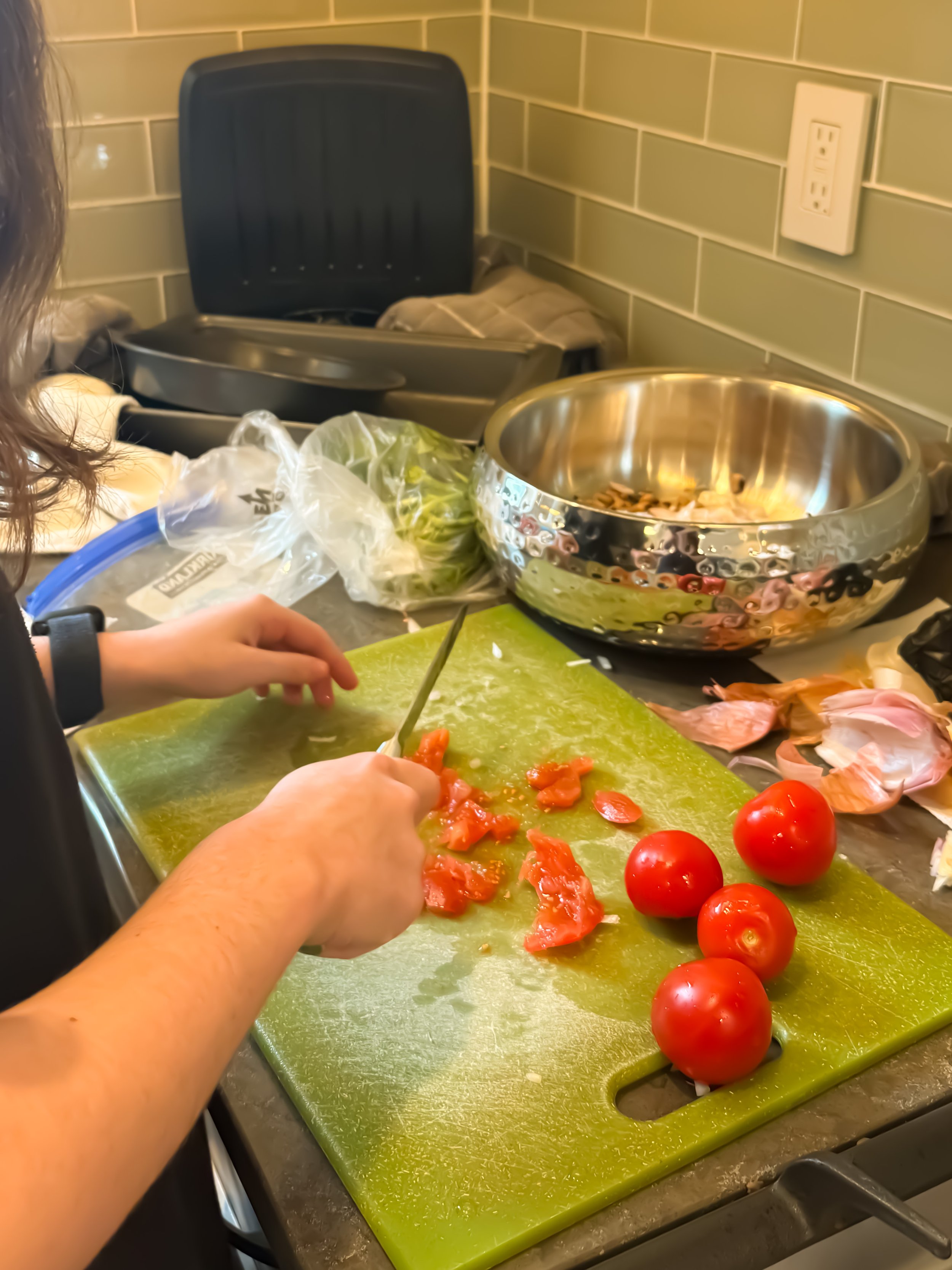
In a world full of food rules, calorie counts, and conflicting advice, it is easy to lose touch with the most important voice of all: your body’s. Mindful eating invites you to slow down, listen inward, and reconnect with the rhythms of hunger, fullness, and satisfaction. It is not about perfection. It is about presence. It is about asking, “What do I need right now?” and trusting the answer that arises.
Listening to Hunger with Curiosity
Before reaching for a snack or planning a meal, pause for a moment and check in. Ask yourself:
Am I physically hungry, or am I seeking comfort or distraction
What kind of nourishment would feel grounding right now
How do I want to feel after I eat
These questions are not meant to judge or restrict. They are invitations to reconnect. Over time, this gentle awareness builds trust with your body and helps you make choices that feel aligned with your energy, your emotions, and your values.
Understanding Macros Without Obsession
You may hear the term “macros” often in nutrition or fitness spaces. Short for macronutrients, macros are the three main types of nutrients your body needs in larger amounts: protein, fats, and carbohydrates. Each plays a unique role in your health and energy.
Protein supports tissue repair, hormones, and satiety.
Fats support brain health, hormone production, and long‑lasting energy.
Carbohydrates are your body’s preferred energy source, especially for your brain and muscles.
You do not need to count grams or track every bite to benefit from understanding macros. Simply noticing how different meals affect your energy, mood, and focus can become a powerful form of body literacy.
Visual Tools for Balanced Eating (Updated for the 2025–2030 Guidelines)
If you prefer a simple, visual way to build nourishing meals, the Harvard Healthy Eating Plate remains one of the clearest frameworks available. It encourages filling half your plate with vegetables and fruits, a quarter with whole grains, and a quarter with protein, alongside healthy fats, and water.
The CDC’s newest nutrition guidance, aligned with the 2025–2030 Dietary Guidelines for Americans, reflects a meaningful shift. The focus is now on whole, minimally processed foods as the foundation of daily eating. The updated framework encourages:
vegetables, fruits, whole grains, legumes, nuts, and seeds
lean proteins and dairy or fortified alternatives
healthy fats
water as the primary beverage
It also recommends significantly reducing:
ultra‑processed foods
refined grains
added sugars
sweetened beverages
The new guidelines also support a higher daily protein intake, with three to four servings per day fitting within a 2,000‑calorie pattern.
These tools are not rules. They are flexible frameworks that help you tune into what balance looks and feels like for your body, especially when paired with mindful eating and gentle nutrition.
Estimating Portions with Your Hands
One of the most intuitive ways to estimate portions is by using your hands:
Your palm can guide your protein portion
A cupped hand works well for carbohydrates
Your thumb is a natural measure for fats
Two open hands can represent a serving of vegetables
This method naturally adjusts to your body size and helps you stay connected to your hunger and fullness cues, without measuring cups or apps.
Curious About Tracking
If you are interested in exploring your personal macro needs, it is best to consult a registered dietitian or healthcare provider. They can help you determine your ideal intake based on your goals, age, and activity level.
If you are curious about experimenting with tracking, several apps can support you:
MacrosFirst
MyFitnessPal
Cronometer
Lifesum
Lose It!
These tools can be helpful, but only if they support, rather than stress, your relationship with food.
Mindful eating is not about control. It is about connection. When you listen to your body with curiosity, nourishment becomes clearer and more compassionate.
Art Prompt: “What Nourishes Me”
To deepen your reflection, try this creative exercise.
Create a visual representation of what nourishment means to you. It might be a collage of colors and textures, a drawing of your ideal meal or eating environment, or a symbolic image of how you want to feel after eating. Let your body guide your brush. Let the image emerge without pressure or expectation.
This kind of creative pause can reveal what words sometimes cannot. It brings you back to yourself.

What I Wish Women Knew About Their Bodies
Many women feel dismissed when their bodies send signals that something is off. This post helps you understand those signals, trust your intuition, and advocate for the care you deserve.

In my work I meet many women who are stretched thin and overwhelmed. They are doing their best to get through the day, but their bodies are not cooperating. They blame themselves for a lack of motivation, when the truth is that motivation is rarely the problem. Most women have plenty of motivation. What they lack are tools, clarity, and support.
Here is what I wish every woman knew.
Your body is not working against you.
Your body is communicating with you.
When something feels off, it is not a personal failure. It is information. Fatigue, irritability, brain fog, cravings, and low stamina are not character flaws. They are signals. And you are allowed to trust those signals.
You will hear people say “accept your body as it is,” and acceptance is important. But acceptance does not mean ignoring what feels wrong. If your body is not responding the way it should, trust your intuition. Seek medical care. Ask questions. Ask again. Look deeper.
If you are exhausted, ask yourself whether this is simply a lack of sleep or whether something metabolic is happening underneath. If your mood is unpredictable, ask whether your hormones are shifting. If your energy crashes every afternoon, ask whether your blood sugar is involved. Your intuition is often the first place where the truth appears.
The reality is that many women are dismissed when they ask for help. They are told that everything is fine when everything is not fine. You do not have to accept that. It is appropriate to ask for second, third, or fourth opinions. It is appropriate to advocate for yourself. It is appropriate to say, “This is not normal for me.”
Your body is not a machine. It is a system. Systems shift. Systems break down. Systems need attention. And women are expected to keep going regardless. We wake up, go to work, care for our families, and hold the emotional load of entire households. When your body stops responding, it is not weakness. It is a signal that something needs care.
If your car breaks, you take it to be repaired. You do not wait for it to fix itself. You deserve the same level of attention.
Your body is not the enemy.
Your body is asking for support.
And you are allowed to listen.
Your body is not asking you to be perfect. It is asking you to pay attention. When something feels off, you are allowed to pause, to question, and to seek support. You are allowed to trust what you feel, even if no one else has named it yet. You are allowed to advocate for yourself until you find answers that make sense.
The direction forward is simple. Begin by listening. Begin by noticing what feels familiar and what feels new. Begin by honoring the signals your body is sending. Begin by asking for help when you need it.
You do not have to figure everything out at once. You only need to take the next honest step toward yourself.
You are not dramatic. You are not imagining it. You are not too much. You are a woman whose body deserves to be taken seriously.
Your body is not a problem to solve. It is a relationship to tend to. When you begin to listen to it with curiosity instead of judgment, everything becomes clearer. You begin to understand what you need, what helps, what harms, and what supports your life. This is where real change begins. Not with discipline, but with awareness. Not with pressure, but with understanding. Not with perfection, but with presence.
If you want to take this reflection deeper, here is a creative prompt.
Art Prompt: Paint What Agency Means to You
Take a moment and think about the word agency. Not the definition, but the feeling. The moment when you knew you could trust yourself. The moment when you stopped apologizing for what your body was trying to tell you. The moment when you chose yourself, even quietly.
Now paint that feeling.
It does not need to look like anything specific.
It can be a color, a shape, a line, a landscape, or a gesture.
Let your brush move the way agency feels in your body.
Steady. Fierce. Soft. Expansive. Grounded. Clear.
This is not about skill.
This is about honoring the part of you that knows.