Balance & Brushstrokes
The Science of Why Movement Matters
Movement is not about fitness. Movement is about regulation, resilience, and remembering that your body is a place you can return to. When life feels heavy or chaotic, the right kind of movement steadies your mood, supports your metabolism, and helps you feel safe inside yourself again.
Movement is not about fitness.
Movement is about regulation, resilience, and remembering that your body is a place to which you can return. It is about feeling safe inside yourself again. It is about having a way to steady your mood, support your metabolism, and move through the world with more clarity and less friction.
If you are navigating hormonal shifts, neurodivergence, chronic stress, or the quiet exhaustion that comes from caring for everyone but yourself, the right kind of movement can change how you feel in ways that go far beyond strength or stamina. Movement is not self-improvement. Movement is self-connection.
Why Walking and Cardio Are Foundational
Cardio is not about burning calories.
It is about keeping your system responsive.
When you walk, dance, swim, or cycle, your body does things you cannot see but absolutely feel. Blood sugar steadies. Blood pressure softens. Mood lifts. Sleep deepens. Thinking sharpens. Energy becomes more reliable. Even a simple walk after meals can regulate blood sugar more effectively than many supplements.
Walking is gentle on the joints, accessible in every decade of life, and powerful in ways the fitness industry rarely talks about. Walking is not easy. Walking is foundational.
Why Strength Training Becomes Essential as We Age
Muscle loss begins earlier than most women realize. Not because you are doing something wrong, but because biology shifts. Strength training helps you slow age related muscle loss, protect bone density, stabilize blood sugar, improve balance and coordination, support cognitive function, and stay functional and independent.
This is not about looking toned.
This is about refusing to become fragile in a world that already treats women as fragile. And yes, even in your seventies or eighties, your muscles can still respond. It is never too late to rebuild strength.
What The Research Recommends and How It Fits into Real Life
The CDC offers clear guidelines, but real life is not a controlled environment. You have responsibilities, fatigue cycles, hormonal shifts, and a nervous system that does not always cooperate on command.
Here is how the research translates into lived experience:
Adults (18 to 64)
150 minutes per week of moderate cardio and 2 days of strength
Real life: short walks after meals, resistance bands while watching TV, squats while the kettle boils
Older Adults (65+)
Same as adults plus balance work
Real life: chair yoga, tai chi, gentle dance, kitchen counterbalance drills
Pregnant or Postpartum
150 minutes per week of moderate aerobic activity
Real life: stroller walks, prenatal yoga, gentle stretching, honoring fatigue cycles
Chronic Conditions or Disabilities
Same goals, adapted
Real life: seated workouts, aquatic therapy, short bursts of movement, consistency over intensity
These are guidelines, not mandates. Your body, your season, and your bandwidth matter. Movement should feel like support, not pressure.
Your Body Changes, So Your Movement Should Too
What worked in your twenties may not work in your fifties. That is not regression. That is wisdom.
Movement needs shift with age:
• Thirties and forties: build strength and cardiovascular capacity
• Fifties and sixties: add mobility, balance, and joint friendly cardio
• Seventies and beyond: prioritize strength, flexibility, and fall prevention
Your body is not failing. Your body is evolving.
Let Us Be Clear About One Thing
I am not here to hand you a workout plan.
Not because I am holding back, but because that is not my lane. It is not the work I do, and it is also out of scope for a health and wellness coach.
What I can do, and what I do exceptionally well, is help you hear your body again so you can understand where to go from here. If you want someone to tell you exactly which exercises to do, that is the moment to bring in a fitness trainer. That is their lane.
But most women do not actually need another routine.
They need a relationship with themselves that is not built on pressure, guilt, or comparison.
You need someone who can help you understand why you avoid movement, why you push too hard, why you burn out, why you freeze, why your body feels different now, and what it is actually asking for. You also need support in figuring out how to implement the routines a fitness trainer may give you in a way that fits your life, your energy, your season, and your nervous system.
My work is helping you build the internal clarity that makes movement sustainable rather than punishing. It is about helping you return to your body with honesty, curiosity, and a sense of possibility.
Art Prompt: My Movement Map
Draw the outline of your body, the one you have today. Around it, add words that describe how you want to feel when you move. Strong. Grounded. Light. Steady. Playful. Add colors or shapes that match those sensations. Then add a few movement ideas that bring you closer to those feelings.
This is not a plan.
This is a conversation with your body.
Final Thought
You do not need discipline culture.
You do not need perfection.
You do not need to keep up with anyone else’s routine.
You need curiosity, compassion, and a willingness to explore what your body is asking for now. If you are ready to reconnect with yourself and build a movement practice that actually fits your life, I am here. My work blends physiology, reflection, and creative tools to help you move with intention rather than obligation.

Drink to Thrive: The Real Power of Hydration
Hydration is more than drinking water — it supports energy, clarity, mood, and movement. Even mild dehydration affects focus, digestion, and performance. Learn how water and electrolytes help your body thrive, especially in heat or exercise, and how to build simple, sustainable hydration habits.

Water is more than a basic need. It is a quiet force behind your energy, clarity, and resilience. Especially in heat or during movement, hydration becomes a form of self‑respect. It is how you nourish the body’s rhythms and support its ability to adapt, recover, and thrive.
Why Hydration Matters — Beyond Thirst
Your body is about sixty percent water, and every system depends on it. When you are well‑hydrated, your blood flows more freely, your brain fires more clearly, and your muscles move with greater ease. Even mild dehydration can lead to fatigue, headaches, irritability, and slower thinking.
Hydration is not only about avoiding discomfort. It is about optimizing how you feel and function. Water helps regulate temperature, cushion joints, support digestion, and flush out toxins. It even plays a role in mood, focus, and memory.
Hydration and Movement: A Vital Partnership
When you exercise, your body heats up and cools itself through sweat. Sweat is not only water. It is also rich in electrolytes such as sodium, potassium, and magnesium. These minerals help your muscles contract, your heartbeat steadily, and your nerves communicate effectively.
Without enough fluids and electrolytes, your performance can suffer. You may feel sluggish, dizzy, or crampy. Even a two percent drop in hydration can reduce strength, endurance, and coordination. Staying hydrated before, during, and after movement helps you recover faster and feel more energized.
For most moderate workouts, water is enough. But if you are sweating heavily or exercising for more than an hour — especially in heat — consider adding electrolytes through tablets, powders, or drinks. Look for options with balanced sodium and minimal added sugar.
What If You Do Not Like Water?
Hydration does not need to be plain. Try:
Infused water with citrus, mint, or berries
Coconut water for natural electrolytes
Herbal teas, iced or warm
Sparkling water for a fizzy lift
Water‑rich foods such as cucumber, watermelon, and strawberries
The best hydration is the one you will actually enjoy.
How to Stay Consistently Hydrated
In the summer heat, do not wait until you are thirsty. Build hydration into your rhythm:
Start your day with a glass of water before coffee
Keep a water bottle visible and refill it often
Pair water with daily habits such as meals, breaks, or transitions
Use a hydration app or set gentle reminders
Track your intake with a visual cue or journal
Hydration is a practice, not a chore. It is a way of checking in with your body and honoring its needs.
Art Prompt: “What Does Nourishment Look Like”
Take ten to fifteen minutes to reflect visually. Using any medium — pen, paint, collage — create an image that represents what hydration or nourishment feels like in your body. Is it a flowing river, a blooming plant, a cool breeze, or something entirely different? Let your body guide the imagery, not your mind.
Then ask yourself: What else in my life needs this kind of replenishment?
If you feel called, share your reflection with me. I would love to hear what nourishment looks like in your body, through your art, your words, or your daily rituals. Let us hydrate with intention and creativity.
Just Start Moving: Why Exercise Is Not One‑Size‑Fits‑All and Why Your Body Deserves More Than Trends
Movement isn’t a trend or a test. It’s a relationship with your body — one most of us were never taught to build. Walking, strength training, and sustainable routines matter because they meet your real life, not an ideal. My own journey wasn’t about perfection but about adapting what I had and refusing to give up on myself.
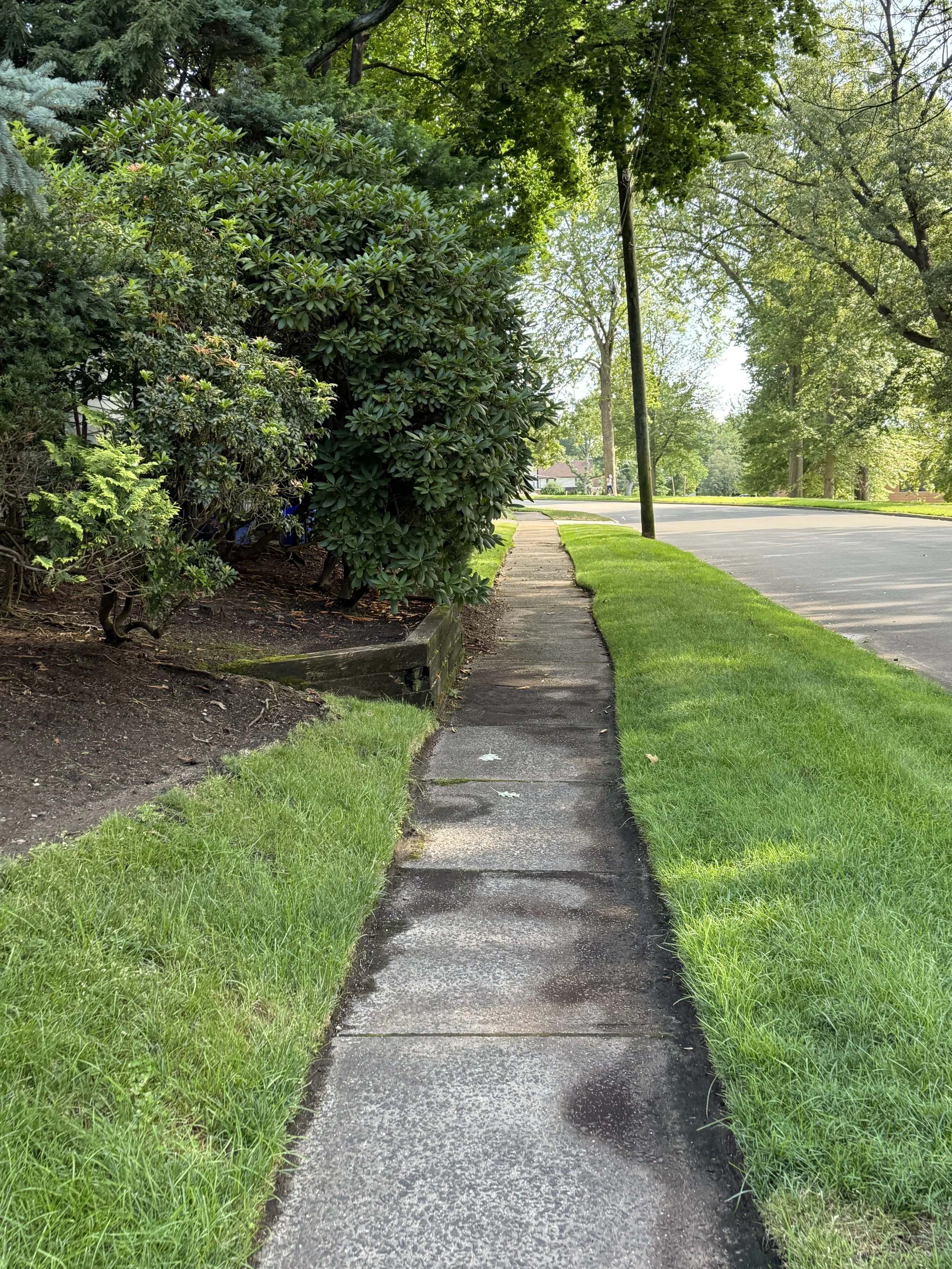
Let us be honest. Most people do not struggle with movement because they are lazy. They struggle because the fitness world is loud, confusing, and full of confident voices saying different things. One person swears by Pilates. Another swears by strength training. Someone else says HIIT is the only way. Another says yoga is the answer.
It is not that anyone is wrong.
It is that your body is not a trend.
Movement is not a punishment.
Movement is not a makeover.
Movement is not a moral test.
Movement is not a before‑and‑after photo.
Movement is a relationship.
And most people have been taught to relate to their bodies like an enemy.
Why Walking and Cardio Actually Matter (and not for the reasons you were told)
Cardio is not about shrinking yourself. It is about staying alive. It is about keeping your heart responsive, your blood moving, your brain awake. A brisk walk after dinner does more for your blood sugar than half the supplements on the market. Walking is not “easy.” It is foundational. It is the baseline of human health.
If you cannot walk with intention, nothing else will land.
Why Strength Training Is Non‑Negotiable (especially for women)
Women lose muscle every year starting in midlife. Not because they are doing something wrong, but because biology is real. And the only thing that slows that loss is resistance. Not motivation. Not mindset. Not manifesting. Resistance. Your muscles need to be challenged or they disappear. And when they disappear, everything gets harder — metabolism, balance, energy, mood, aging itself.
Strength training is not about looking toned. It is about staying functional. It is about refusing to become fragile in a world that already treats women as fragile.
Your Body Changes — and Pretending It Does Not Is Not Empowerment
What worked in your twenties will not work in your fifties. That is not a failure. That is evolution. Hormones shift. Recovery changes. Joints speak louder. Sleep becomes a negotiation. Movement is not about going back. Movement is about going forward with honesty.
The Part No One Tells You: You Can Love a Workout That Is Wrong for Your Body
People say, “do what you enjoy,” but enjoyment is different from suitability.
You can enjoy something that is slowly hurting you.
You can enjoy something your joints cannot sustain.
You can enjoy something that spikes your inflammation.
You can enjoy something that drains your nervous system.
And you can avoid something that would actually help you because you assume it has to look a certain way.
This is why “just do what you like” is incomplete.
Enjoyment is one data point.
Your body is the rest.
So How Do You Know What is Right for You?
There is no single test.
No machine.
No algorithm.
No influencer chart.
But there are ways to understand your body:
A physical therapist can assess your mechanics, your joints, your gait.
An exercise physiologist can assess your cardiovascular tolerance.
A skilled instructor can see your compensations and limitations.
Your body gives you feedback.
Your life gives you constraints.
Your preferences give you sustainability.
Movement is not a method.
Movement is a mosaic.
My Story: The HIIT That Is not HIIT
My version of HIIT is walking. Not the fitness‑industry HIIT — my HIIT. One minute fast, three minutes slower, repeated until I hit 30 minutes. In the beginning, “fast” meant 3.3 mph on my walking pad. Now it is 4.2. My “slow” was around 3.0. I read an article about walking intervals and adapted it to my reality: a DeerRun walking pad with no incline, weather that kept me indoors, joints that needed low impact, a thirty‑minute emotional limit, and a temperament that needed structure.
I did not know if it were “right.”
I only knew it was something I could actually do.
And over two years, it took me from barely managing a few minutes to walking two miles in 30 minutes. Not because I followed a method. Because I built one — out of constraints, trial and error, and the simple refusal to give up on myself.
I am not telling this story to be anyone’s inspiration in the glossy, dreamy sense. I appreciate admiration — truly. It means something when people see the work I have done. But I am not here to be admired from a distance or put on a pedestal. I am not a role model. I am not a blueprint. I am not someone to copy.
I am a person who has been to hell and back and had to build something that worked because my body was fighting me and no one was coming to save me.
People look at me now and say, “You did it,” or “You are such an inspiration,” or “You finally decided to move.” But they do not see the years of inflammation, the medication, the exhaustion, the false starts, the days I could not do anything, the days I cried on the treadmill, the days I had to negotiate with myself just to show up for 10 minutes.
If my story inspires you, let it inspire you to not give up on yourself — not to try to become me. I do not want to be the fantasy version of inspiration. I want to be the real kind: the kind that says, “If I could figure something out with the limits I had, you can too — and if you need help, I am here.”
Movement is not about choosing a method.
Movement is about choosing yourself.
Art Prompt: My Movement Map
Draw the outline of your body — the one you have today.
Around it, write the words that describe how you want to feel when you move:
strong, grounded, light, powerful, steady.
Add colors or shapes that match those sensations.
Then write one or two movements that bring you closer to those feelings.
This is not a plan.
It is a compass.