Balance & Brushstrokes
What I Wish Women Knew About Their Bodies
Many women feel dismissed when their bodies send signals that something is off. This post helps you understand those signals, trust your intuition, and advocate for the care you deserve.
In my work I meet many women who are stretched thin and overwhelmed. They are doing their best to get through the day, but their bodies are not cooperating. They blame themselves for a lack of motivation, when the truth is that motivation is rarely the problem. Most women have plenty of motivation. What they lack are tools, clarity, and support.
Here is what I wish every woman knew.
Your body is not working against you.
Your body is communicating with you.
When something feels off, it is not a personal failure. It is information. Fatigue, irritability, brain fog, cravings, and low stamina are not character flaws. They are signals. And you are allowed to trust those signals.
You will hear people say “accept your body as it is,” and acceptance is important. But acceptance does not mean ignoring what feels wrong. If your body is not responding the way it should, trust your intuition. Seek medical care. Ask questions. Ask again. Look deeper.
If you are exhausted, ask yourself whether this is simply a lack of sleep or whether something metabolic is happening underneath. If your mood is unpredictable, ask whether your hormones are shifting. If your energy crashes every afternoon, ask whether your blood sugar is involved. Your intuition is often the first place where the truth appears.
The reality is that many women are dismissed when they ask for help. They are told that everything is fine when everything is not fine. You do not have to accept that. It is appropriate to ask for second, third, or fourth opinions. It is appropriate to advocate for yourself. It is appropriate to say, “This is not normal for me.”
Your body is not a machine. It is a system. Systems shift. Systems break down. Systems need attention. And women are expected to keep going regardless. We wake up, go to work, care for our families, and hold the emotional load of entire households. When your body stops responding, it is not weakness. It is a signal that something needs care.
If your car breaks, you take it to be repaired. You do not wait for it to fix itself. You deserve the same level of attention.
Your body is not the enemy.
Your body is asking for support.
And you are allowed to listen.
Your body is not asking you to be perfect. It is asking you to pay attention. When something feels off, you are allowed to pause, to question, and to seek support. You are allowed to trust what you feel, even if no one else has named it yet. You are allowed to advocate for yourself until you find answers that make sense.
The direction forward is simple. Begin by listening. Begin by noticing what feels familiar and what feels new. Begin by honoring the signals your body is sending. Begin by asking for help when you need it.
You do not have to figure everything out at once. You only need to take the next honest step toward yourself.
You are not dramatic. You are not imagining it. You are not too much. You are a woman whose body deserves to be taken seriously.
Your body is not a problem to solve. It is a relationship to tend to. When you begin to listen to it with curiosity instead of judgment, everything becomes clearer. You begin to understand what you need, what helps, what harms, and what supports your life. This is where real change begins. Not with discipline, but with awareness. Not with pressure, but with understanding. Not with perfection, but with presence.
If you want to take this reflection deeper, here is a creative prompt.
Art Prompt: Paint What Agency Means to You
Take a moment and think about the word agency. Not the definition, but the feeling. The moment when you knew you could trust yourself. The moment when you stopped apologizing for what your body was trying to tell you. The moment when you chose yourself, even quietly.
Now paint that feeling.
It does not need to look like anything specific.
It can be a color, a shape, a line, a landscape, or a gesture.
Let your brush move the way agency feels in your body.
Steady. Fierce. Soft. Expansive. Grounded. Clear.
This is not about skill.
This is about honoring the part of you that knows.
Just Start Moving: Why Exercise Is Not One‑Size‑Fits‑All and Why Your Body Deserves More Than Trends
Movement isn’t a trend or a test. It’s a relationship with your body — one most of us were never taught to build. Walking, strength training, and sustainable routines matter because they meet your real life, not an ideal. My own journey wasn’t about perfection but about adapting what I had and refusing to give up on myself.
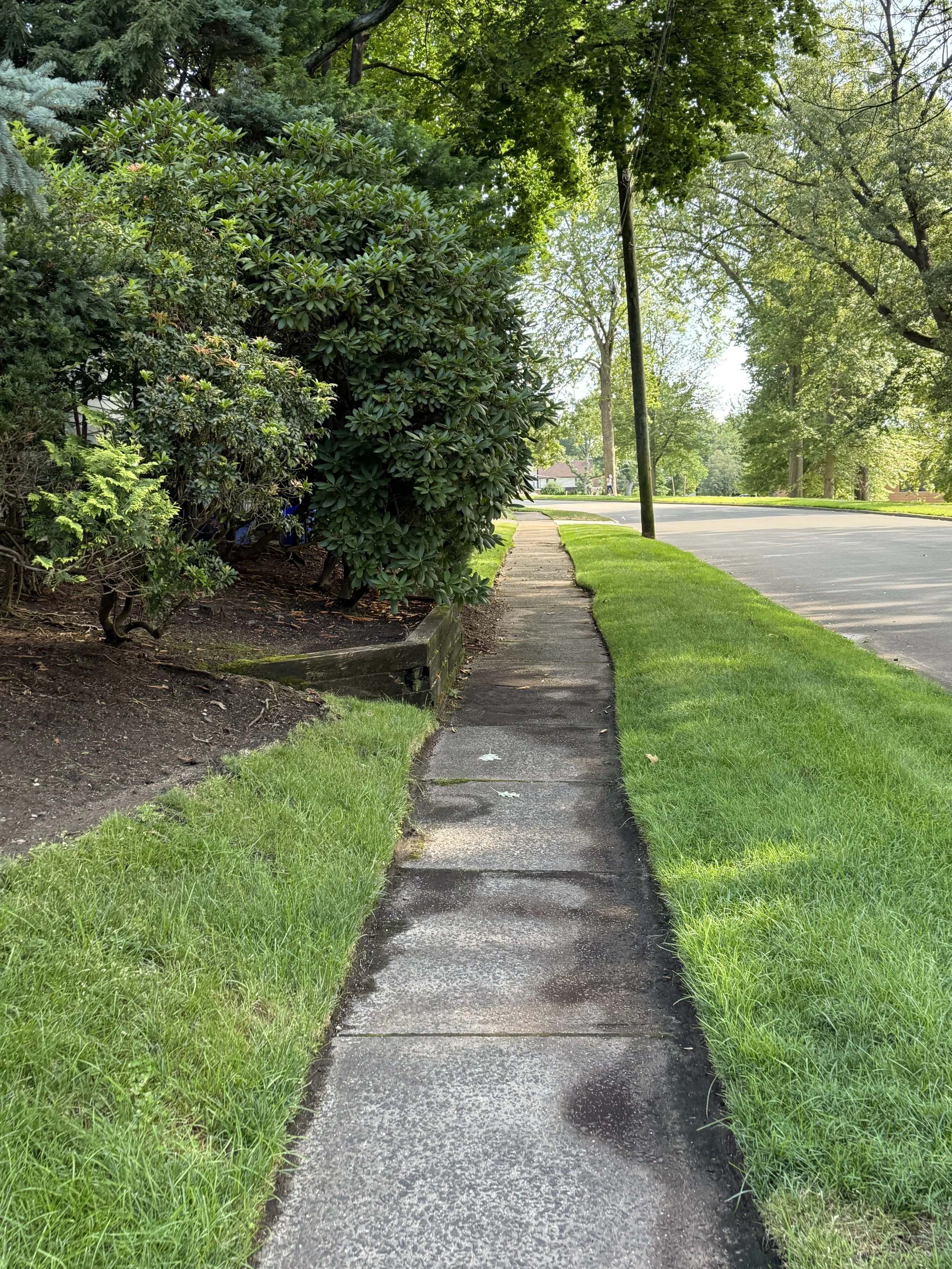
Let us be honest. Most people do not struggle with movement because they are lazy. They struggle because the fitness world is loud, confusing, and full of confident voices saying different things. One person swears by Pilates. Another swears by strength training. Someone else says HIIT is the only way. Another says yoga is the answer.
It is not that anyone is wrong.
It is that your body is not a trend.
Movement is not a punishment.
Movement is not a makeover.
Movement is not a moral test.
Movement is not a before‑and‑after photo.
Movement is a relationship.
And most people have been taught to relate to their bodies like an enemy.
Why Walking and Cardio Actually Matter (and not for the reasons you were told)
Cardio is not about shrinking yourself. It is about staying alive. It is about keeping your heart responsive, your blood moving, your brain awake. A brisk walk after dinner does more for your blood sugar than half the supplements on the market. Walking is not “easy.” It is foundational. It is the baseline of human health.
If you cannot walk with intention, nothing else will land.
Why Strength Training Is Non‑Negotiable (especially for women)
Women lose muscle every year starting in midlife. Not because they are doing something wrong, but because biology is real. And the only thing that slows that loss is resistance. Not motivation. Not mindset. Not manifesting. Resistance. Your muscles need to be challenged or they disappear. And when they disappear, everything gets harder — metabolism, balance, energy, mood, aging itself.
Strength training is not about looking toned. It is about staying functional. It is about refusing to become fragile in a world that already treats women as fragile.
Your Body Changes — and Pretending It Does Not Is Not Empowerment
What worked in your twenties will not work in your fifties. That is not a failure. That is evolution. Hormones shift. Recovery changes. Joints speak louder. Sleep becomes a negotiation. Movement is not about going back. Movement is about going forward with honesty.
The Part No One Tells You: You Can Love a Workout That Is Wrong for Your Body
People say, “do what you enjoy,” but enjoyment is different from suitability.
You can enjoy something that is slowly hurting you.
You can enjoy something your joints cannot sustain.
You can enjoy something that spikes your inflammation.
You can enjoy something that drains your nervous system.
And you can avoid something that would actually help you because you assume it has to look a certain way.
This is why “just do what you like” is incomplete.
Enjoyment is one data point.
Your body is the rest.
So How Do You Know What is Right for You?
There is no single test.
No machine.
No algorithm.
No influencer chart.
But there are ways to understand your body:
A physical therapist can assess your mechanics, your joints, your gait.
An exercise physiologist can assess your cardiovascular tolerance.
A skilled instructor can see your compensations and limitations.
Your body gives you feedback.
Your life gives you constraints.
Your preferences give you sustainability.
Movement is not a method.
Movement is a mosaic.
My Story: The HIIT That Is not HIIT
My version of HIIT is walking. Not the fitness‑industry HIIT — my HIIT. One minute fast, three minutes slower, repeated until I hit 30 minutes. In the beginning, “fast” meant 3.3 mph on my walking pad. Now it is 4.2. My “slow” was around 3.0. I read an article about walking intervals and adapted it to my reality: a DeerRun walking pad with no incline, weather that kept me indoors, joints that needed low impact, a thirty‑minute emotional limit, and a temperament that needed structure.
I did not know if it were “right.”
I only knew it was something I could actually do.
And over two years, it took me from barely managing a few minutes to walking two miles in 30 minutes. Not because I followed a method. Because I built one — out of constraints, trial and error, and the simple refusal to give up on myself.
I am not telling this story to be anyone’s inspiration in the glossy, dreamy sense. I appreciate admiration — truly. It means something when people see the work I have done. But I am not here to be admired from a distance or put on a pedestal. I am not a role model. I am not a blueprint. I am not someone to copy.
I am a person who has been to hell and back and had to build something that worked because my body was fighting me and no one was coming to save me.
People look at me now and say, “You did it,” or “You are such an inspiration,” or “You finally decided to move.” But they do not see the years of inflammation, the medication, the exhaustion, the false starts, the days I could not do anything, the days I cried on the treadmill, the days I had to negotiate with myself just to show up for 10 minutes.
If my story inspires you, let it inspire you to not give up on yourself — not to try to become me. I do not want to be the fantasy version of inspiration. I want to be the real kind: the kind that says, “If I could figure something out with the limits I had, you can too — and if you need help, I am here.”
Movement is not about choosing a method.
Movement is about choosing yourself.
Art Prompt: My Movement Map
Draw the outline of your body — the one you have today.
Around it, write the words that describe how you want to feel when you move:
strong, grounded, light, powerful, steady.
Add colors or shapes that match those sensations.
Then write one or two movements that bring you closer to those feelings.
This is not a plan.
It is a compass.
Menopause, Bone Loss, and Oral Health: The Connection We Rarely Talk About
Hormonal changes during menopause affect far more than we expect, including the jawbone and gums. This piece explores how bone loss shows up in the mouth and why prevention matters.
Last week I had the pleasure of joining a small conversation about women’s health, held at Clemente Orthodontics in Ridgewood, New Jersey. It was a topic many of us rarely think about, even though it affects every woman as she ages. We often hear that bone mass and muscle mass decline over time, and that menopause accelerates that loss. This is biology. What most women do not realize is that this loss does not occur only in the arms and legs. It also occurs in the mouth.
Menopause brings a wide range of symptoms, and one of the most significant is hormonal imbalance. These hormonal shifts affect the jawbone and increase inflammation, which in turn affects the gums. This is why many women notice bleeding during dental cleanings, even when they have excellent oral hygiene. It is not a failure of brushing or flossing. It is a reflection of what is happening hormonally and structurally in the body. And the only meaningful way to address it is prevention.
Kathleen, a nurse practitioner at The Wellness in Ridgewood in New Jersey, works with women to test hormone levels and determine whether hormone replacement therapy is an appropriate option. According to her, when women are proactive and get tested early, there is a real opportunity to reduce symptoms that can become severe and disruptive. When hormone support is paired with resistance training, women can significantly reduce or even prevent the bone and muscle loss that accelerates during menopause.
Resistance training does not have to be complicated. It can include bodyweight exercises, resistance bands, light weights, Pilates with springs, or machines that provide controlled load. The goal is not intensity. The goal is stimulus. When muscles pull on bones, the bones respond by maintaining or increasing density. This applies to the hips, the spine, the legs, and yes — the jawbone. Strength training is not only about aesthetics or fitness. It is a direct investment in long‑term bone health.
Dr. Moon, a periodontist at Moon Implants and Perio in Montvale, New Jersey, explained that she often sees the effects of aging and menopause directly in the mouth. She shared that teenagers with braces and poor oral hygiene can show no bone loss at all, while older women with excellent oral hygiene may show significant bone loss simply because hormonal changes affect every bone in the body, including the jaw. A periodontist is a specialist in gum and bone health, and they can identify these early changes and help women understand how oral bone loss reflects what is happening throughout the body.
This is the part of women’s health that often goes unspoken. We think of menopause as hot flashes or mood changes, but it is also about bone density, muscle strength, oral health, and long‑term quality of life. The earlier we understand this, the more empowered we become to protect our bodies as we age.
Art Prompt: Where Strength Lives Now
Choose one part of your body that feels different with age, the place where you notice change first, the place you return to with curiosity or frustration or tenderness. It might be your legs or your breath or your posture or your hands. Create an image that shows the strength that still lives there, even if that strength has changed shape. Let the artwork be a conversation with the part of you that is aging and still carrying you, a reminder that aging is not disappearance but transformation.

Aging Through the Decades: The 80s and Beyond
In your eighties, the body speaks more quietly but more clearly. This post explores the physical and emotional shifts of this decade and why honoring your limits is a form of presence, not loss.

Epilogue: Legacy and Light
The eighties and beyond are often imagined as a time of fading, but in truth, they can be a time of distilling. Of living more slowly, but more clearly. Of speaking less but saying more. This is a stage where presence becomes the practice, and where the body, though quieter, still holds stories worth honoring.
You are not disappearing. You are arriving.
What Is Happening in the Body
In your eighties and beyond, the body may feel more delicate or more deliberate. Muscle mass, bone density, and balance may continue to shift. Skin becomes thinner, and energy may fluctuate more noticeably. Yet the body is still communicating, still asking for care, still offering wisdom.
This is a time to move gently, to nourish consistently, and to rest deeply. It is not about doing more. It is about doing what matters.
When Emotions Feel Like Memory
Emotionally, this stage can bring a sense of reflection. You may revisit old memories, reconnect with long held values, or feel a desire to share your story. There may be grief, but also gratitude. There may be quiet, but also clarity.
This is a time to honor your emotional life, not only what you feel now, but everything you have carried and released along the way.
Skincare, Sun Care, and Self Care
Skin in this stage is often fragile and dry. Gentle, emollient rich products can help soothe and protect. Touch becomes even more important, whether through massage, warm baths, or simply applying lotion with care.
Sunlight and Vitamin D
Vitamin D remains essential for bone strength, immune support, and mood. The skin’s ability to produce it from sunlight decreases with age, so short, safe sun exposure is helpful, and supplementation may be needed. Continue to protect your skin with SPF when outdoors. Sun care now is about comfort, protection, and honoring the skin that has carried you through decades.
Self-care in this stage is about presence. It is about choosing what brings peace, what brings beauty, and what brings connection.
Caring for Your Body and Mind
Eat nourishing, easy to digest meals. Focus on warmth, color, and comfort.
Hydrate gently and often. Small sips throughout the day support energy and clarity.
Move with softness. Gentle stretching, walking, or chair-based movement can support circulation and mobility.
Prioritize rest and rhythm. Let your days be guided by what feels good, not what feels expected.
Support your emotional wellbeing. Storytelling, music, art, and connection can help you feel seen and valued.
If You Are in Your 80s or Beyond
You are not invisible. You are essential.
Your body is not broken. It is wise.
Let your care be an act of love for yourself and for the life you have lived.
Ask for support when you need it. You are still worthy of care.
If You Are Reflecting Back
What did you begin to surrender in your eighties
What did your body teach you about stillness
What would you say to your 80 something self now
Art Prompt
Weave your legacy.
Create a visual thread of your life: symbols, colors, or shapes that represent what you have lived, what you have learned, and what you want to leave behind. Let it be soft, bold, quiet, or wild. Let it be yours.

Aging Through the Decades: The 70s
In your seventies, the body becomes more deliberate and more vocal about its needs. This post explores the physical and emotional changes of this decade and why honoring your pace is an act of wisdom, not limitation.

The seventies are often seen as a time of slowing down, but they can also be a time of deepening. You may be living more quietly, but with more clarity. There is often a sense of freedom in this decade: freedom from expectations, from comparison, and from the need to prove anything. You have lived through so much, and now you get to choose how you want to live.
What Is Happening in the Body
In your seventies, your body may feel more sensitive, more deliberate, or more vocal about its needs. Muscle mass continues to decline unless supported by movement. Balance and coordination may shift. You might notice changes in appetite, digestion, or sleep.
These changes are not signs of weakness. They are reminders to move with care, to listen closely, and to honor the body that has carried you this far.
When Emotions Feel More Spacious
Emotionally, your seventies can bring a sense of peace or a desire to make peace. You may feel more connected to your values, more present in your relationships, and more curious about your legacy. This is a time to reflect, to share, and to savor.
There may also be grief for people, places, or parts of yourself that have changed. That grief deserves space. It is part of the richness of this stage.
Skincare, Sun Care, and Self Care
Skin may become thinner, more fragile, or more prone to dryness. Focus on gentle, nourishing care: creams and oils that support hydration and barrier repair.
Sunlight and Vitamin D
Vitamin D remains essential for bone strength, immune support, and mood. Your skin may be less efficient at producing it from sunlight, so short, safe sun exposure is helpful, and supplementation may be needed. Continue using SPF daily to protect your skin from further damage. Sun care at this stage is about honoring the skin you are in and protecting it with love.
Self-care in your seventies is about ease. It is about choosing what feels good, what feels meaningful, and what feels like you. That might mean more rest, more nature, more art, or more connection.
Caring for Your Body and Mind
Eat to support strength, digestion, and vitality. Include protein, fiber, and nutrient dense foods.
Hydrate consistently. Dehydration can affect energy, mood, and cognition.
Move gently and regularly. Walking, stretching, balance work, and light strength training help maintain mobility and confidence.
Prioritize rest and rhythm. Sleep may shift. Create routines that support calm and comfort.
Support your emotional wellbeing. Journaling, storytelling, creativity, and connection can help you feel grounded and seen.
If You Are in Your 70s Now
You are allowed to rest.
Your body is not less. It is wise and worthy.
Let your care be an act of reverence.
Ask for support when you need it. You are not alone.
If You Are Reflecting Back
What did you begin to release in your seventies
What did your body teach you about presence and patience
What would you say to your 70 something self now
Art Prompt
Weave your life thread.
Draw or paint a long, flowing line that represents your life so far. Where does it twist, stretch, soften, or shine
Let the image reflect the wisdom and rhythm of your seventies.
Continue the series: Read about the 80s.

Aging Through the Decades: The 60s
The sixties bring real changes in muscle mass, bone density, balance, and energy. This post breaks down what’s happening beneath the surface and how to understand these shifts without fear or self‑blame.

The sixties are often seen as a time of slowing down, but for many, they are a time of opening up. You may be retiring, redefining your role in family or community, or choosing to live more on your own terms. There is often a sense of perspective that comes with this decade: a clearer view of what matters and a deeper appreciation for the body and life you have lived.
What Is Happening in the Body
In your sixties, the body continues to change, but not in ways that need to be feared. Muscle mass may decline more noticeably, joints may feel stiffer, and balance or coordination may shift. Bone density becomes a key focus, especially for women post menopause.
You may also notice changes in digestion, skin texture, or energy levels. These shifts are natural. They are not signs of failure. They are reminders to move with your body, not against it.
When Emotions Feel More Spacious
Emotionally, your sixties can bring a sense of peace or a desire to make peace. You may feel more comfortable in your own skin, more willing to say no, and more curious about what brings you joy. This decade can also stir reflection: on aging, on mortality, and on what you still want to experience or express.
This is a time to honor your emotional life. To let go of what no longer serves you and to make room for what feels nourishing.
Skincare, Sun Care, and Self Care
Skin may become thinner, drier, or more sensitive in your sixties. Focus on moisture, barrier support, and gentle care. Products with ceramides, peptides, or nourishing oils can help support your skin’s natural resilience.
Sunlight and Vitamin D
Vitamin D remains essential for bone health, immune function, and mood. Your skin may be less efficient at producing it from sunlight, so short, safe sun exposure is helpful, and supplementation may be needed. Continue using SPF daily to protect your skin from further damage. Sun care at this stage is about honoring the skin you are in.
Self-care in your sixties often means tuning in more deeply. It is about choosing what feels good, not what looks good to others. It might mean more rest, more movement, more creativity, or more stillness.
Caring for Your Body and Mind
Eat to support bones, digestion, and energy. Include calcium, magnesium, fiber, and anti-inflammatory foods.
Hydrate consistently. Water supports joint health, skin, and cognitive function.
Move with intention. Strength training, balance work, and gentle cardio help maintain mobility and confidence.
Prioritize sleep and recovery. Sleep may shift. Create calming routines and protect your rest.
Support your emotional wellbeing. Creative practices, community, and reflection can help you stay connected to meaning and joy.
If You Are in Your 60s Now
You are allowed to take up space.
Your body is not less experienced.
Let your care be an act of celebration, not correction.
Ask for support when you need it. You are not meant to do this alone.
If You Are Reflecting Back
What did you begin to integrate in your sixties
What did your body teach you about presence
What would you say to your 60 something self now
Art Prompt
Paint your future self.
Not how you look, but how you feel. What colors, shapes, or textures express the version of you that emerged in your sixties?
Continue the series: Read about the 70s.

Aging Through the Decades: The 50s
Your fifties often bring hormonal shifts, changes in energy, and a new relationship with your body. This post explains what’s happening beneath the surface and why this decade can feel both challenging and clarifying.

Your fifties can be a decade of powerful transition. For many, it is a time of rediscovery: of self, of purpose, and of what it means to feel well in a body that is changing again. You may be navigating menopause, empty nesting, career shifts, or a desire to slow down and live more intentionally. There is often a quiet strength that emerges here: the wisdom to know what matters and the courage to let go of what does not.
What Is Happening in the Body
In your fifties, hormonal changes are often front and center. For women, menopause typically completes during this decade, bringing shifts in estrogen that can affect sleep, bone density, mood, and metabolism. For men, testosterone continues to decline gradually, which may impact energy, muscle mass, and libido.
You may notice changes in skin texture, joint stiffness, or digestion. Your body may feel more sensitive to stress or more vocal about what it needs. These are not signs of decline. They are invitations to listen more closely.
When Emotions Feel More Honest
Emotionally, your fifties can bring a sense of clarity. You may feel less interested in pleasing others and more focused on what feels true. This decade can also stir grief for what has passed, what has changed, or what did not unfold the way you hoped.
This is a time to honor your emotional landscape. To make space for joy, loss, and everything in between. To trust that you are allowed to evolve.
Skincare, Sun Care, and Self Care
Skin may become drier or thinner in your fifties. Focus on hydration, barrier repair, and sun protection. Gentle exfoliation and nourishing serums can support your skin’s natural rhythm.
Sunlight and Vitamin D
Vitamin D becomes even more important in this decade for bone health, immune support, and mood regulation. Try to get short, safe periods of sun exposure when possible, and use SPF daily to protect your skin from further damage. It is about balance: supporting your body while protecting what has already been earned.
Self-care in your fifties often means slowing down. It is about tuning in, not pushing through. It might look like rest, movement, solitude, or connection, whatever helps you feel most like yourself.
Caring for Your Body and Mind
Eat to support bone health, digestion, and energy. Include calcium rich foods, fiber, and healthy fats.
Hydrate consistently. Water supports joint health, skin, and metabolism.
Move with care and consistency. Strength training, stretching, and low impact cardio help maintain muscle and mobility.
Prioritize sleep and recovery. Hormonal changes can affect sleep. Create routines that support deep rest.
Support your emotional wellbeing. Journaling, therapy, creative expression, or time in nature can help you process and reconnect.
If You Are in Your 50s Now
You are allowed to slow down.
Your body is not behind. It is wise.
Make space for what nourishes you.
Ask for help when you need it. You do not have to carry everything alone.
If You Are Reflecting Back
What did you begin to reclaim in your fifties
What did your body teach you about slowing down
What would you say to your 50 something self now
Art Prompt
Draw your wisdom as a symbol.
What shape, color, or image represents the insight you carried or began to uncover in your fifties?
Continue the series: Read about the 60s.
PCOS Beyond Fertility: A Metabolic Journey Through the Body
PCOS goes far beyond periods and pregnancy. It’s a metabolic condition shaped by insulin resistance, hormonal shifts, and real physiological strain. This post explains what’s happening in the body and why it’s not your fault.
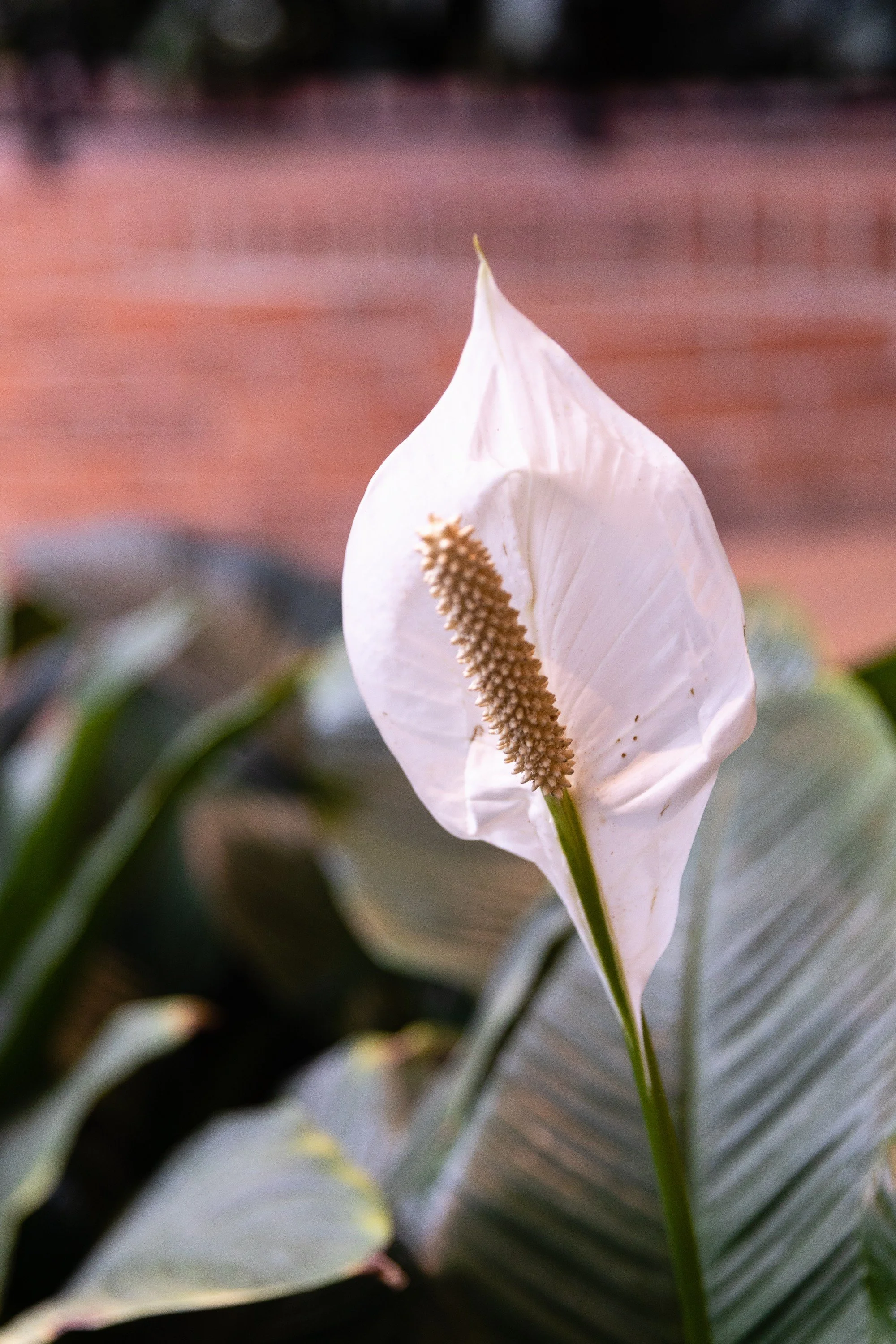
Polycystic Ovary Syndrome (PCOS) is often misunderstood as a reproductive issue. But from a health coach’s perspective, it is time we shift the narrative: PCOS is a complex metabolic condition that affects far more than fertility. It is a whole-body experience — one that calls for compassion, curiosity, and a deeper reconnection with our internal rhythms.
PCOS Is Not Just About Periods or Pregnancy
While irregular cycles and fertility challenges are common, PCOS is rooted in insulin resistance, a condition where the body struggles to use insulin effectively. This metabolic dysfunction can lead to:
Elevated blood sugar and insulin levels
Increased androgen production (testosterone)
Fat storage around the abdomen
Cravings, fatigue, and mood swings
Over time, this can evolve into metabolic syndrome, a cluster of risk factors including high blood pressure, high triglycerides, low HDL cholesterol, and increased risk of type 2 diabetes and cardiovascular disease.
PCOS in Men? Yes, it is Possible
Emerging research suggests that men with genetic risk factors for PCOS may also experience related metabolic symptoms— like insulin resistance, obesity, and early-onset baldness, even without ovaries. This reinforces the idea that PCOS is not solely a gynecological issue, but a systemic metabolic condition that transcends gender.
Why Weight Loss Feels So Hard
Many people with PCOS are told to “just lose weight,” but the reality is far more complex. PCOS creates a metabolic environment where the body is working against itself, not because you’re doing anything wrong, but because your physiology is under strain.
Here’s what’s happening beneath the surface:
Insulin resistance promotes fat storage, especially around the abdomen
Hormonal imbalances increase hunger and cravings, making food feel urgent
A lower metabolic rate means fewer calories burned at rest
Stress and emotional load can amplify eating patterns, not out of weakness but survival
When all of these forces are happening at once, it’s no wonder people feel overwhelmed or like nothing “works.” This isn’t a motivation issue — it’s physiology.
Some people find support through supplements or conventional medications, while others benefit from nutrition changes, movement, or nervous‑system‑based approaches. There is no single path. What matters most is finding a provider who sees your whole body, listens to your lived experience, and offers care that respects you rather than telling you to simply “try harder.”
PCOS is a chronic metabolic and hormonal disorder that requires appropriate medical care. It is not caused by personal choices, it is not a motivation issue, and it is not simply a fertility problem. PCOS cannot be resolved through effort or discipline alone. When you understand the underlying physiology, you’re better equipped to seek treatment that addresses the full picture of your health.
Art Prompt: The Metabolic Map of Me
Create a visual representation of your internal terrain. Where do you feel stuck, inflamed, or heavy? Where is there flow, lightness, or resilience? Use color, texture, and shape to map your hormonal and emotional landscape. Let this be a non-verbal dialogue between you and your body.